University of Washington Astronomy 101
I took UW Astronomy 101 and finished with a 98.54%. The class gave me a much stronger foundation in the science behind the things I had already been curious about.
View the UW course descriptionAstrophysics
I first got interested in astrophysics from watching Neil deGrasse Tyson clips and reading several of his books. The way he talks about the universe made me want to learn more and start asking questions of my own. One of the first was: if the universe is 13.8 billion years old, how can the observable universe be nearly 100 billion light-years across if nothing can travel faster than light?
What I've done
Learning beyond school
I took UW Astronomy 101 and finished with a 98.54%. The class gave me a much stronger foundation in the science behind the things I had already been curious about.
View the UW course descriptionWashington Aerospace Scholars is a year-long course that runs throughout the school year and focuses on aerospace, Earth and space science, and the work behind real space missions. The course combines research, math, writing, and design with interactive group projects.
Visit the WAS program websiteAstrophotography
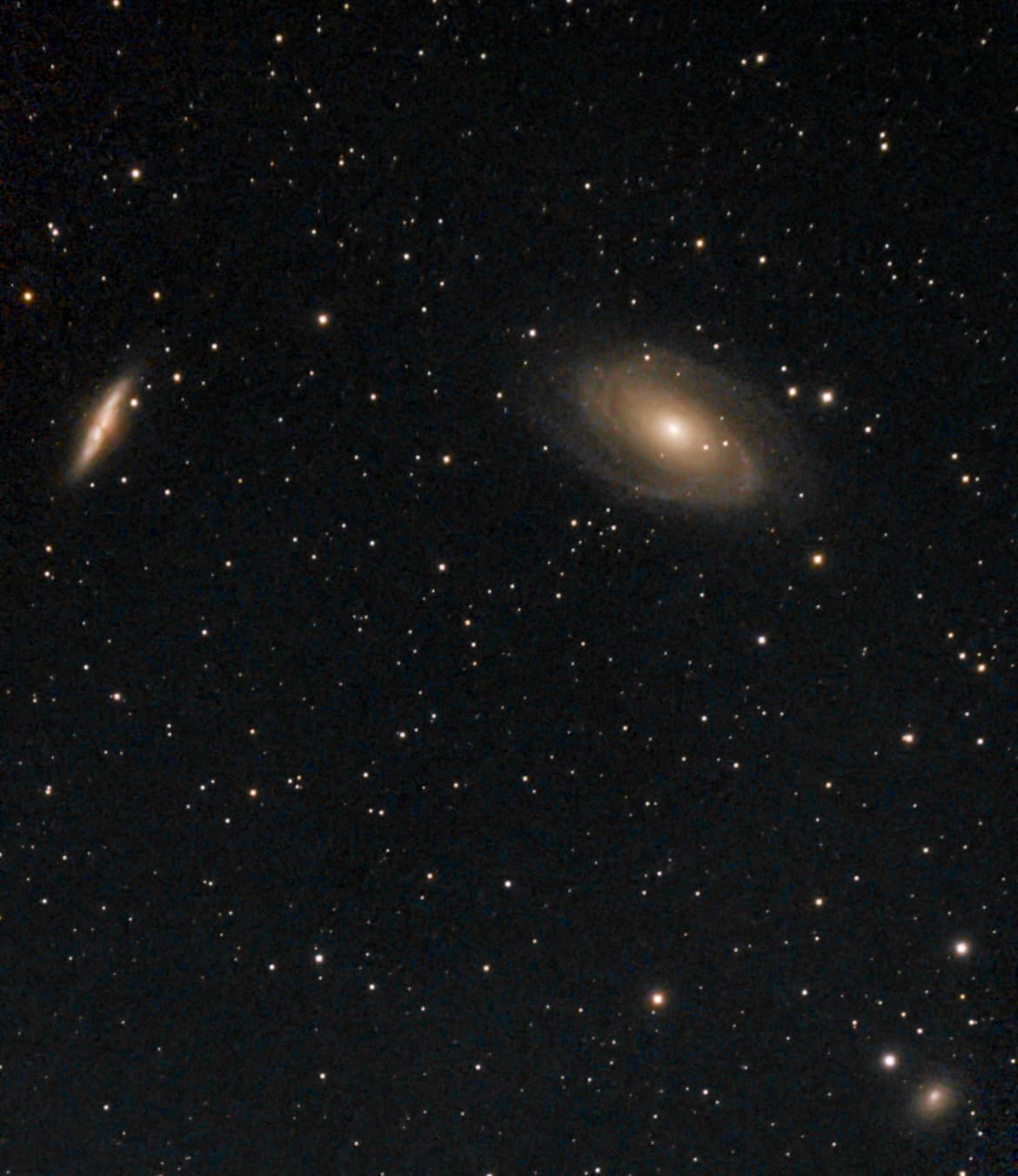
A lot of my interest in astronomy comes from the math and physics. Astrophotography lets me approach the same subject visually. When I photograph a nebula, galaxy, star cluster, or the Moon, I am thinking about what it is and how it works, but also about color, framing, and what makes the image worth looking at.
See my astrophotography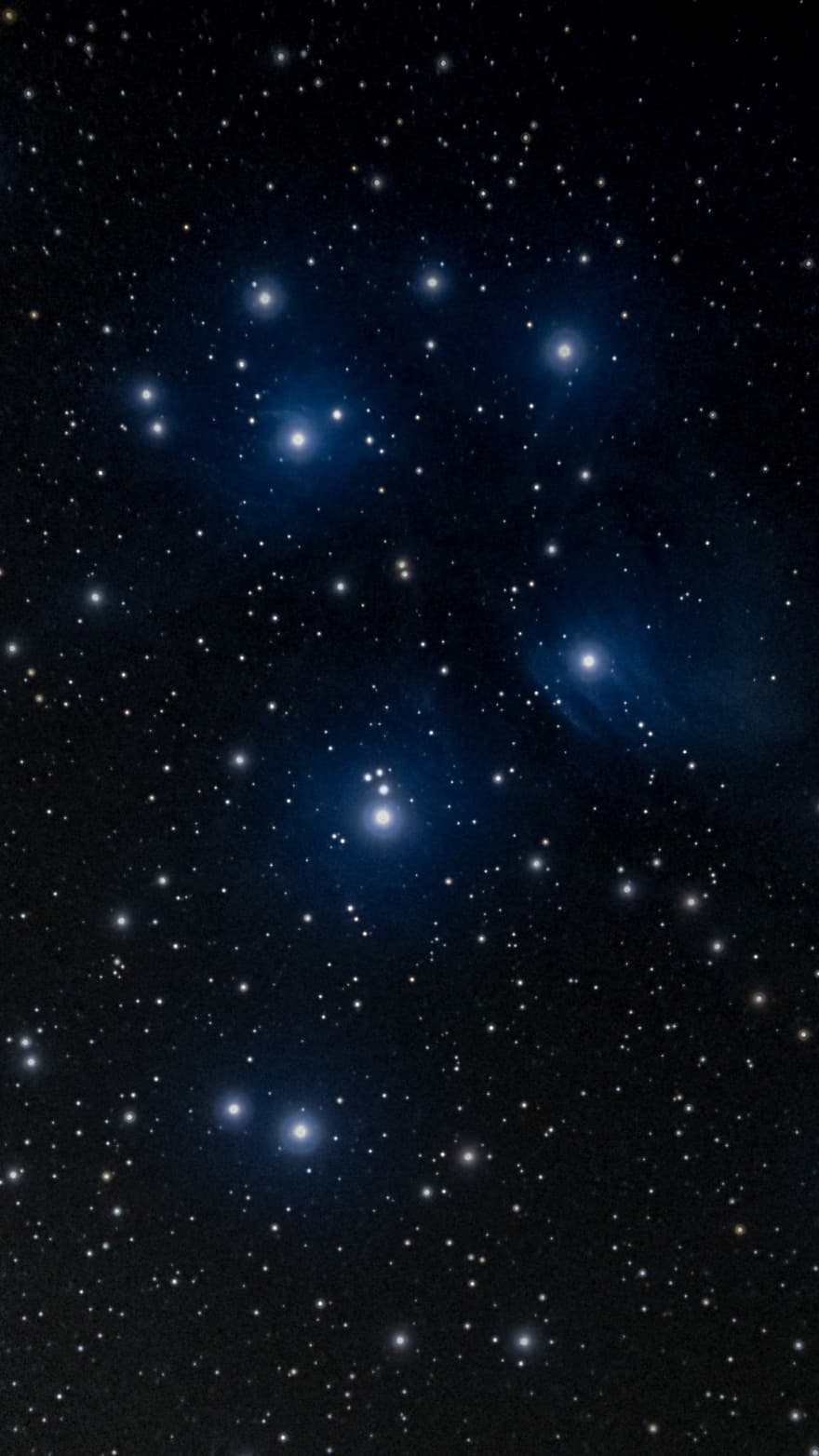
Something I built
Seeing Jupiter's moons through my great-grandfather's telescope made me wonder how often all four might appear on the same side. Hand calculations and a NASA animation helped me explore that question. I then developed Orbital Sandbox with Codex to experiment with other orbits by changing a satellite's altitude, velocity, and central body.